Healing Trauma with Compassionate Community Approaches
- traumarecoveryalli
- Feb 8
- 4 min read
Trauma can leave deep emotional scars, affecting individuals and communities alike. The journey to healing often feels overwhelming, but it doesn't have to be a solitary path. By fostering compassionate community approaches, we can create supportive environments that facilitate healing and resilience. This blog post explores the importance of community in trauma recovery, practical strategies for building compassionate networks, and real-life examples of successful initiatives.
Understanding Trauma and Its Impact
Trauma can stem from various experiences, including abuse, neglect, loss, or violence. It can manifest in numerous ways, affecting mental health, relationships, and overall well-being. Understanding the impact of trauma is crucial for creating effective healing strategies.
The Effects of Trauma
Emotional Distress: Individuals may experience anxiety, depression, or anger.
Physical Symptoms: Trauma can lead to chronic pain, fatigue, or other health issues.
Social Withdrawal: Many people isolate themselves, fearing judgment or misunderstanding.
Difficulty Trusting Others: Trauma can erode trust, making it hard to form new relationships.
Recognizing these effects is the first step in addressing trauma within a community context.
The Role of Community in Healing
Communities play a vital role in the healing process. A compassionate community can provide support, understanding, and resources that individuals may not have access to alone. Here are some key benefits of community involvement in trauma recovery:
Emotional Support
Being part of a community offers individuals a sense of belonging. Sharing experiences with others who understand can alleviate feelings of isolation. Support groups, community centers, and local organizations can provide safe spaces for individuals to express their feelings and share their stories.
Resource Sharing
Communities can pool resources to offer workshops, counseling services, and educational programs. By working together, communities can ensure that individuals have access to the tools they need for healing.
Collective Resilience
When communities come together to support one another, they build resilience. This collective strength can empower individuals to face their challenges and foster a culture of healing and compassion.
Building Compassionate Community Approaches
Creating a compassionate community requires intentional effort and collaboration. Here are some practical strategies to foster healing within your community:
Establish Support Networks
Peer Support Groups: Create spaces where individuals can share their experiences and support one another. These groups can be facilitated by trained professionals or community volunteers.
Mentorship Programs: Pair individuals who have experienced trauma with mentors who can guide them through their healing journey.
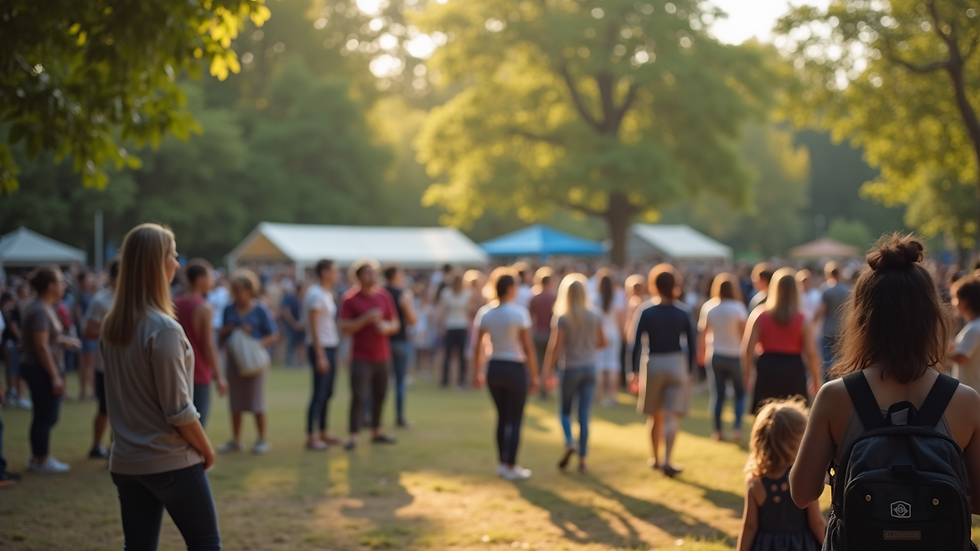
Community Events: Organize events that promote connection, such as potlucks, workshops, or wellness fairs. These gatherings can help build relationships and foster a sense of belonging.
Promote Awareness and Education
Workshops and Training: Offer workshops on trauma-informed care, mental health awareness, and coping strategies. Educating community members can reduce stigma and promote understanding.
Resource Distribution: Create and distribute informational materials about local resources, support services, and coping strategies. Ensure that this information is accessible to everyone in the community.
Engage Local Leaders: Involve community leaders in promoting trauma awareness. Their influence can help shift community attitudes and encourage participation in healing initiatives.
Foster Inclusivity and Diversity
Culturally Sensitive Approaches: Recognize and respect the diverse backgrounds of community members. Tailor healing approaches to meet the unique needs of different cultural groups.
Inclusive Programming: Ensure that community programs are accessible to all, regardless of age, ability, or background. This inclusivity fosters a sense of belonging and encourages participation.
Celebrate Diversity: Organize events that celebrate the diverse cultures within the community. This can help build connections and promote understanding among different groups.
Real-Life Examples of Compassionate Community Approaches
Several communities have successfully implemented compassionate approaches to healing trauma. Here are a few inspiring examples:
The Trauma Recovery Network
The Trauma Recovery Network is a community-based initiative that provides support to individuals affected by trauma. They offer peer support groups, workshops, and resources for healing. By creating a safe space for individuals to share their experiences, the network fosters connection and resilience.
The Healing Arts Program
This program integrates art therapy into community healing efforts. Participants engage in creative activities that promote self-expression and emotional healing. The Healing Arts Program has proven effective in helping individuals process their trauma while building connections with others.
Community Resilience Initiatives
Many communities have launched resilience initiatives that focus on building strong support networks. These initiatives often include training for community members on trauma-informed practices, creating a culture of understanding and support.
The Importance of Self-Care in Community Healing
While community support is vital, individual self-care is equally important in the healing process. Here are some self-care strategies that individuals can incorporate into their lives:
Mindfulness Practices
Engaging in mindfulness practices, such as meditation or yoga, can help individuals manage stress and anxiety. These practices promote self-awareness and emotional regulation, essential components of healing.
Physical Activity
Regular physical activity can improve mental health and overall well-being. Encourage community members to participate in group exercise classes or outdoor activities that promote physical health and social connection.
Creative Outlets
Encourage individuals to explore creative outlets, such as writing, painting, or music. These activities can provide a therapeutic way to express emotions and process experiences.
Conclusion
Healing trauma is a complex journey that requires compassion, understanding, and community support. By fostering compassionate community approaches, we can create environments that promote healing and resilience. Whether through support networks, educational initiatives, or inclusive programming, communities have the power to transform lives.
As we move forward, let us remember the importance of connection and support in the healing process. Together, we can build compassionate communities that empower individuals to heal and thrive.
Call to Action
Consider how you can contribute to your community's healing efforts. Whether it's volunteering, organizing events, or simply reaching out to someone in need, every action counts. Together, we can create a brighter future for those affected by trauma.


Comments